Electric Bike Rides Around Melbourne: How E-Bike Tours Work
Electric assistance changes what a guided ride asks of you. Here is how the e-bike tours in Melbourne actually work, what the law allows, and which ride fits which rider.
Short answer
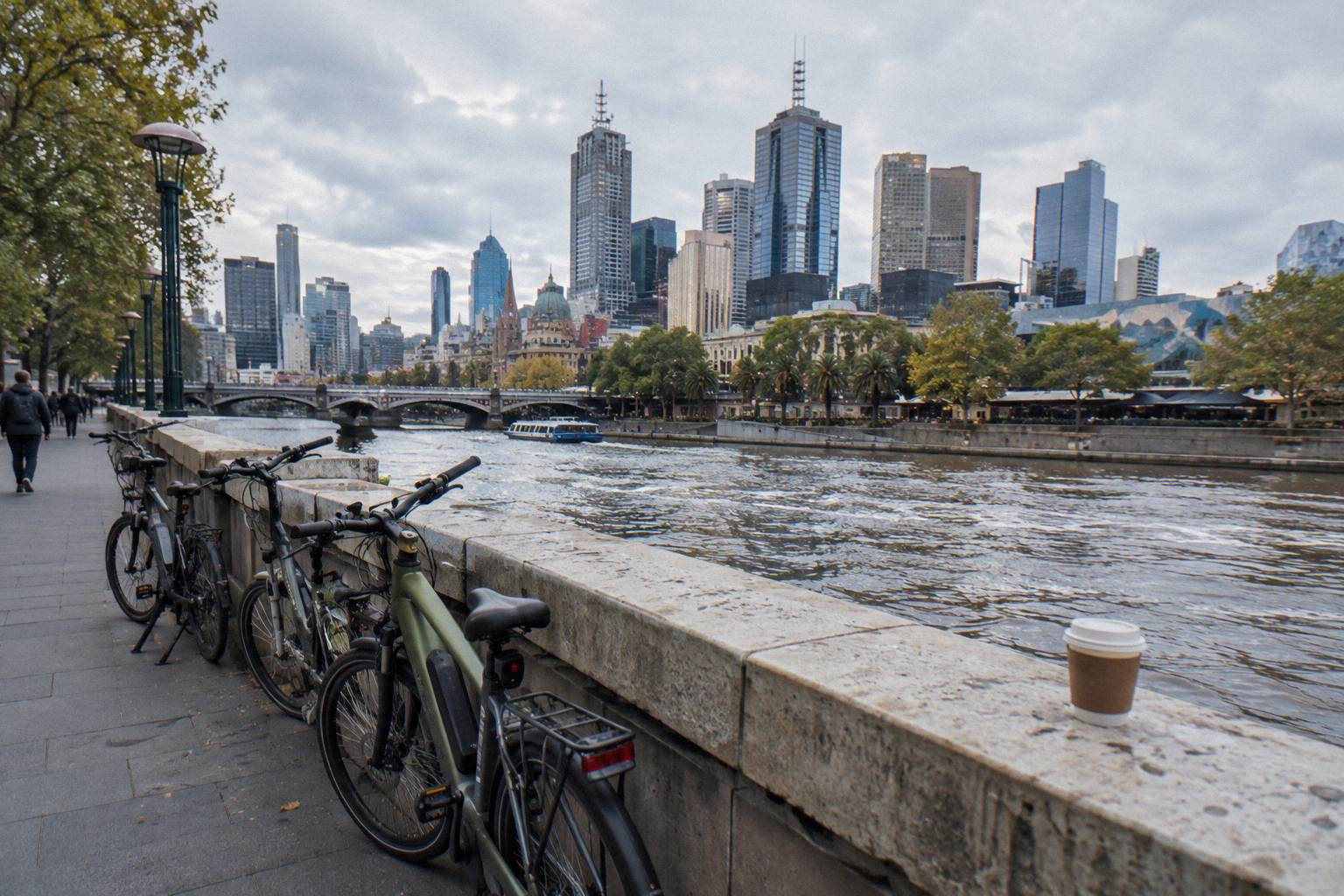
Melbourne has three genuine e-bike tour formats: a guided group ride from Batman Park from A$139 per person (4.9 from 300+ reviews), a private e-bike tour from A$500 per person, and an A$40 per person e-bike upgrade on the Famous Melbourne City Cycling Tour. Every tour e-bike is a 250 W pedal-assist bike whose assist cuts off at 25 km/h.
The word "e-bike" appears on a lot of Melbourne listings, and the bikes behind it are more modest than the marketing implies. In Victoria a legal e-bike is a pedal-assist machine with a motor of at most 250 W continuous rated power, one that helps only while you pedal and stops helping at 25 km/h. That is the machine the tours run, and it turns out that is exactly why the rides work: the motor flattens the Yarra River climbs and the headwinds off the bay, and you still do the steering, the balance and a fair share of the pedalling. If you have been weighing whether an e-bike or a regular bike suits a guided ride, the sections below cover the actual options, the rules that shape them and the restrictions that decide where the bikes may go.
How Does An Electric Bike Tour In Melbourne Work?
An electric bike tour in Melbourne runs exactly like a regular guided ride, except the bike adds pedal assistance up to 25 km/h. A guide leads, the group stops at the same landmarks, and you still pedal the whole way. The motor only reduces the effort, so hills and distance stop being the deciding factor and the city becomes the point of the day.
The format is simpler than most first-time riders expect. You arrive at a meeting point, the operator fits you to a bike and runs through the controls, and the assist level is yours to choose as you ride. There is no throttle riding in the sense people imagine from scooters: Victorian rules allow a throttle only up to 6 km/h in walk mode, essentially for pushing the bike. Everything faster than walking pace comes from your legs with the motor adding to them. Riders who worry about this should read whether electric bikes are hard to ride before booking, because the short answer is that if you can ride an ordinary bike, you can ride one of these.
What the assist genuinely changes is reach. Melbourne's terrain is not alpine, but a route that strings together the Yarra River, the Shrine of Remembrance and Fitzroy involves repeated river-valley climbs that add up over four hours. On a pedal-assist bike those climbs shrink to gentle pressure on the pedals. Groups move together more evenly too, because a stronger rider cannot simply drop everyone on a hill, which is part of why operators use e-bikes for mixed groups and for riders who have not sat on a saddle in a decade.
What the assist does not change is the law or the route. You ride the same shared paths, give way to the same pedestrians, and wear the same mandatory helmet as every other cyclist in the state. The bike is heavier and quicker off the mark than a hire bike, so the first ten minutes of any tour are usually spent in a quiet stretch getting used to how the power arrives. Guides know this and build it in.
What Is The Melbourne E-Bike Tour With Local Guide Like?
The Melbourne E-Bike Tour With Local Guide is a four-hour guided loop from Batman Park covering about 16 km, from A$139 per person, rated 4.9 from 300+ reviews. It supplies the pedal-assist bike, helmet and lock, takes up to 10 riders, and stops for lunch in Fitzroy, with the meal itself not included. Blue Tongue Bikes runs it from 2 Rebecca Walk.
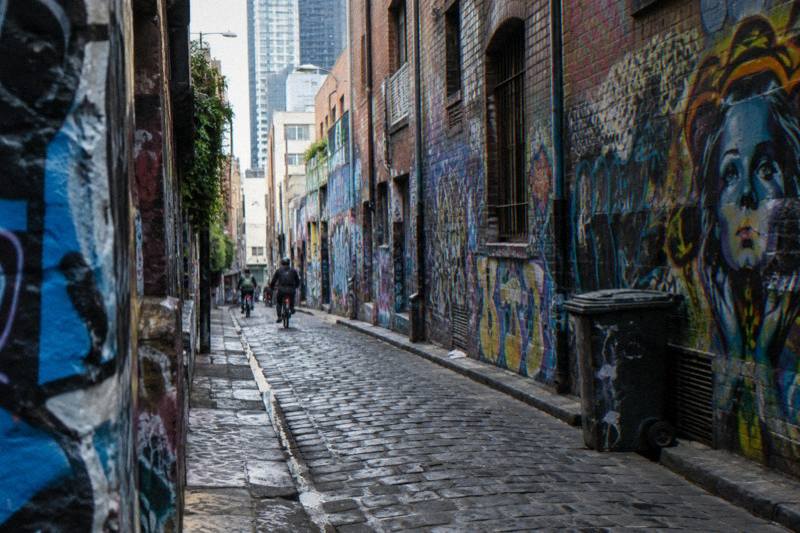
The route is published by the operator and it is a genuinely complete lap of central Melbourne: the Yarra River paths, the Shrine, the MCG, Cooks' Cottage, Parliament House, Fitzroy, the Royal Exhibition Building, Chinatown and Hosier Lane, with a lunch break in Fitzroy. Sixteen kilometres sounds like a lot until you notice it is spread across four hours with stops at nearly every landmark on the list. The effective riding time is a fraction of that, and the E-Bike City Ride booking page lists a 10am start, so the day finishes mid-afternoon.
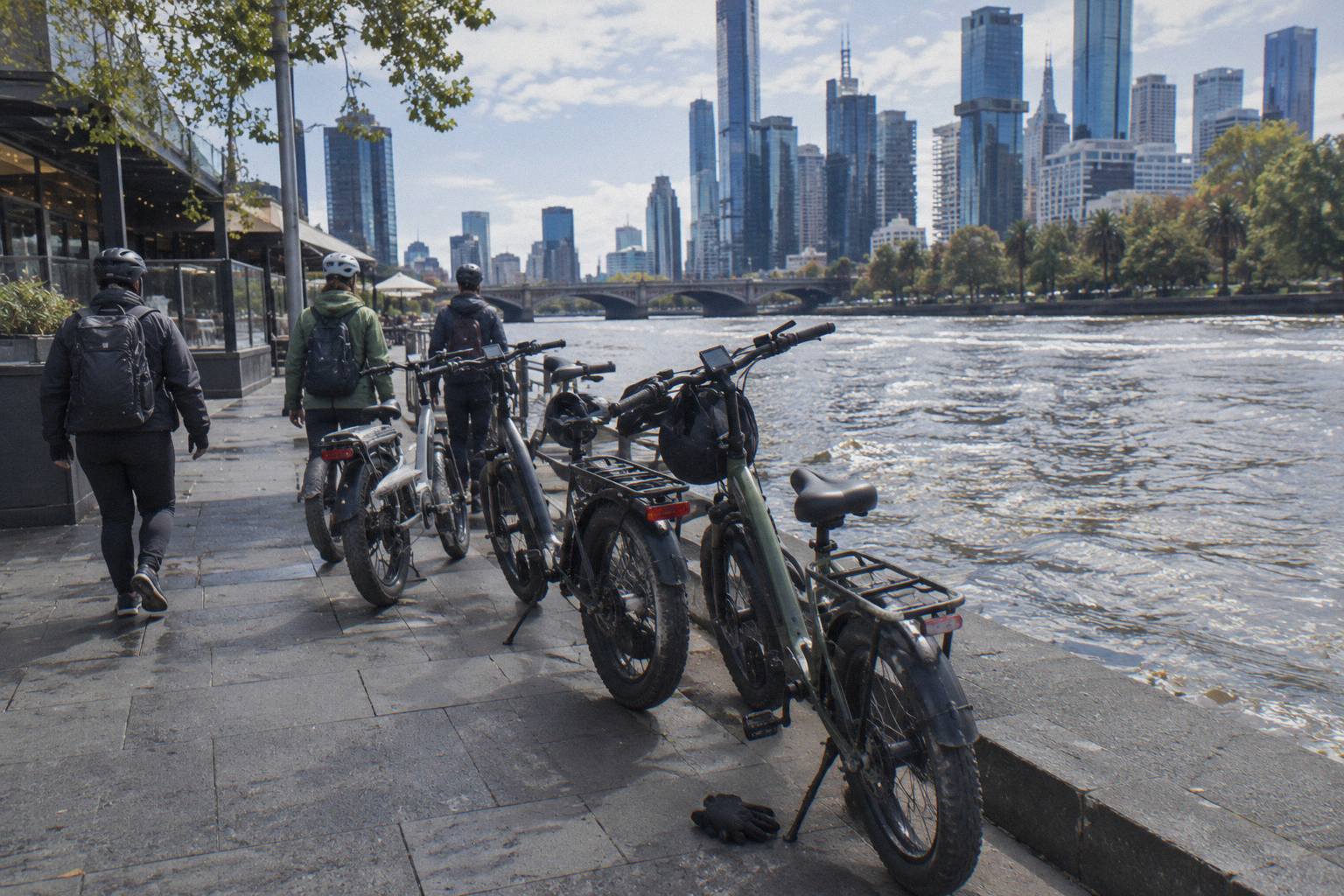
The entry bar is deliberately low. The tour asks only that you can ride a bike, and the listing's own line is that the electric assistance makes the ride manageable even if you do not ride often. Riders need to be about 150 cm or taller and up to 113 kg, and anyone under 18 rides with an adult, a detail worth checking against the state's age rules for e-bikes if you are travelling with teenagers. Lunch and drinks are not in the price, so budget for the Fitzroy stop separately. Battery figures, range and charge times are not published for any tour e-bike in Melbourne, so if a full battery matters to your plans, ask the operator directly rather than assuming.
Set beside the other e-bike formats on offer, the differences are mostly about control and company. The table below shows the genuine e-bike choices side by side, using only the figures the booking pages publish.
| E-bike option | Operator | From price | Duration | Format | Group cap |
|---|---|---|---|---|---|
| Melbourne E-Bike Tour With Local Guide | Blue Tongue Bikes | A$139 per person | 4 hours | Guided group, route fixed | 10 |
| Private Melbourne E-Bike Tour | Blue Tongue Bikes | A$500 per person | 2 to 4 hours | Private, route arranged with the group | Private |
| Famous tour e-bike upgrade | Melbourne By Bike | A$140 per person plus A$40 per person upgrade | 4.5 hours | Guided group with upgrade | 10 |
| Yarra Valley Guided And E-Bike Rail Trail Cycling | Cycling Vine Tours | A$350 per person | 6 hours | Guided rail trail ride out of the city | 8 |
All prices are per person, in Australian dollars, and every one of these tours carries free cancellation up to 24 hours before on the booking page. None of them is a rival to another: the group ride and the private ride differ in who sets the route, and the Famous tour upgrade differs in the bike, not the guide.
What Are Victoria's Actual E-Bike Laws?
Victoria recognises two legal e-bike types: the EPAC, with a motor of at most 250 W continuous rated power that assists only while pedalling and cuts off at 25 km/h, and the Power-Assisted Pedal Cycle, with peak output of 200 W or less. Tour e-bikes are the 250 W kind, and a rider can still exceed 25 km/h under leg power alone.
The details matter more than most visitors expect, because they explain why tour e-bikes behave the way they do. A legal EPAC needs working pedals, should carry the EN15194 standard marking, and cannot run on throttle except in that 6 km/h walk mode. The motor is a helper, not an engine. Once you pass 25 km/h on a flat or a descent, the assist silently drops away and you are riding an ordinary, somewhat heavier bicycle. Nobody on a tour is racing at those speeds, but knowing the cutoff exists stops the disappointment of expecting a scooter experience.
The law also draws a hard line at tampering. E-bikes with no pedals, or with limits overridden so the assist runs above 25 km/h or 250 W, may only be used on private property, and riding them on public roads and paths carries fines. Converted e-bikes are banned from trains and ticketed areas entirely. Tour fleets sit firmly on the legal side of all this, which is one of the quiet arguments for a guided ride over borrowing a machine from a friend of a friend.
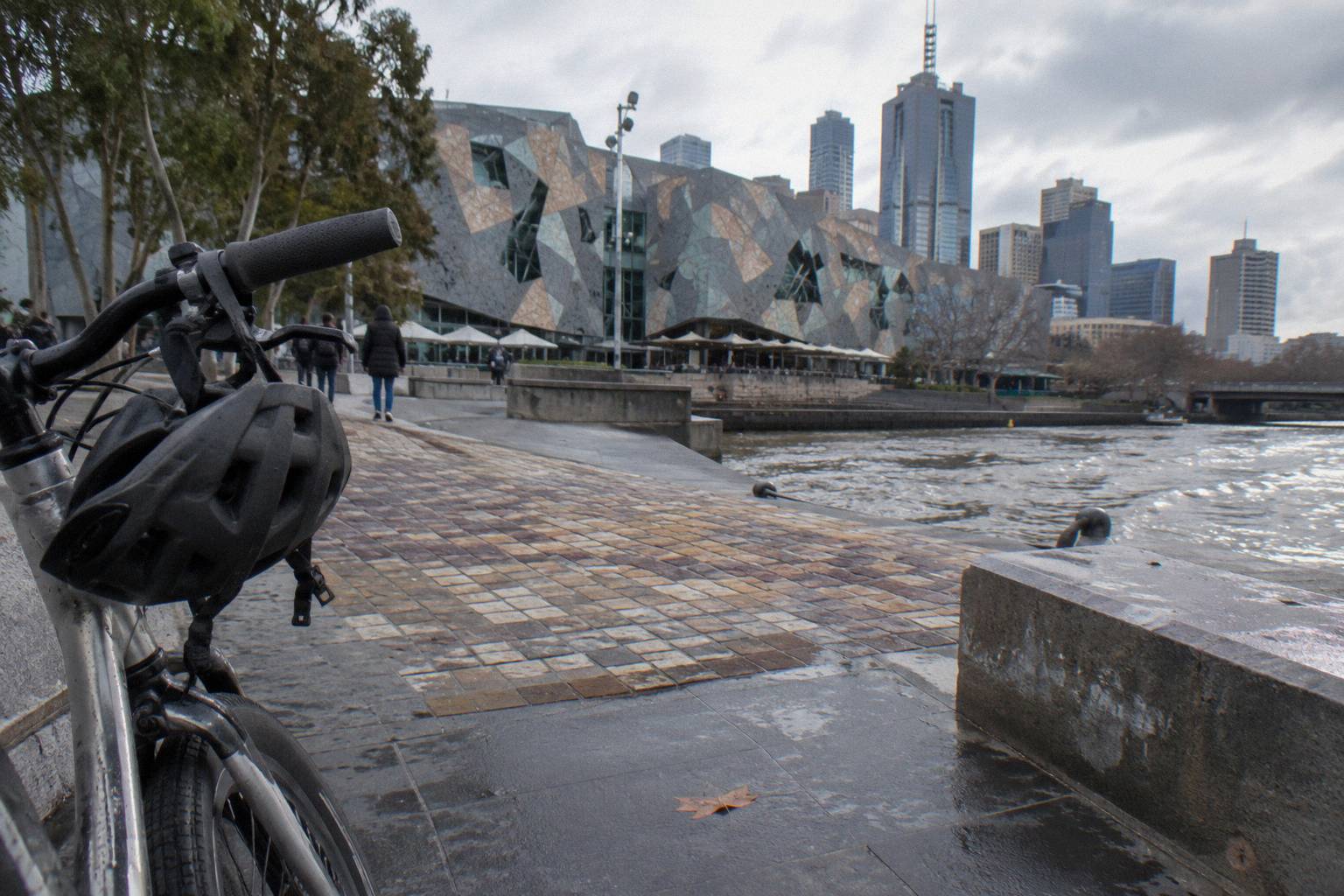
Helmets are the other non-negotiable. Every rider in Victoria must wear one, e-bike and e-scooter riders included, and the helmet must carry a label for an approved standard such as AS/NZS 2063 or EN 1078. Tour listings normally include a helmet in what is supplied, though no tour promises a specific helmet type. The official e-bike rules page and the helmet requirements page set this out in full, and fines apply.
The rules that matter most on a tour day, condensed from Transport Victoria's own pages:
| Rule | What it means on a tour |
|---|---|
| Helmet, always | Mandatory for every rider including e-bike riders; approved-standard label required; exemptions only for religious headdress or a carried medical certificate |
| Footpaths | Riders 12 and under only, or an adult supervising them, or with a medical certificate; tour groups stay on roads and paths |
| Assist cutoff | The motor stops helping at 25 km/h; faster is possible only by pedalling harder |
| Passing distance | Drivers must leave 1 m on roads up to 60 km/h, 1.5 m above that |
| Shared paths | Riders give way to pedestrians, keep left, and use a bell or voice to overtake |
| Night riding | White front light and red rear light visible from 200 m, plus a red rear reflector visible from 50 m |
The everyday road rules are the same as for any bicycle. Riders stay on the road rather than the footpath unless aged 12 or under or supervising a child that age, drivers must leave 1 m when passing on roads up to 60 km/h and 1.5 m above that, and on shared paths bikes give way to pedestrians, keep left and call or bell when passing. At night a white front light and red rear light visible from 200 m are required. Riding impaired is unsafe and illegal, and Victoria publishes no bicycle-specific blood-alcohol limit, so no figure is worth repeating here.
What Does The Private E-Bike Tour Add?
The Private Melbourne E-Bike Tour gives your group its own guide, a route and start time arranged with you, and a duration of 2 to 4 hours, from A$500 per person. It lists a minimum age of 12, runs in English, German, Spanish, Hungarian and Chinese, and excludes pregnant women and people who cannot ride a bike.
The pitch is control. Instead of the fixed loop, the operator plans the route with your group before the day, which suits families with mixed ages, corporate groups and travellers with a specific list of things they want to see. The duration range exists because the booking pages differ, so confirm the exact length when you book. A lunch stop in Fitzroy can be arranged on this tour, though it costs extra and is not part of the from-price.
The suitability list deserves a careful read. Twelve is the minimum age on the booking page, firmer than the group tour's under-18-with-an-adult rule, so a family with an 11-year-old lands on the group ride instead. The exclusions are stated plainly, and the multilingual guiding is unusual for Melbourne and genuinely useful if English is not the comfortable option for part of your group.
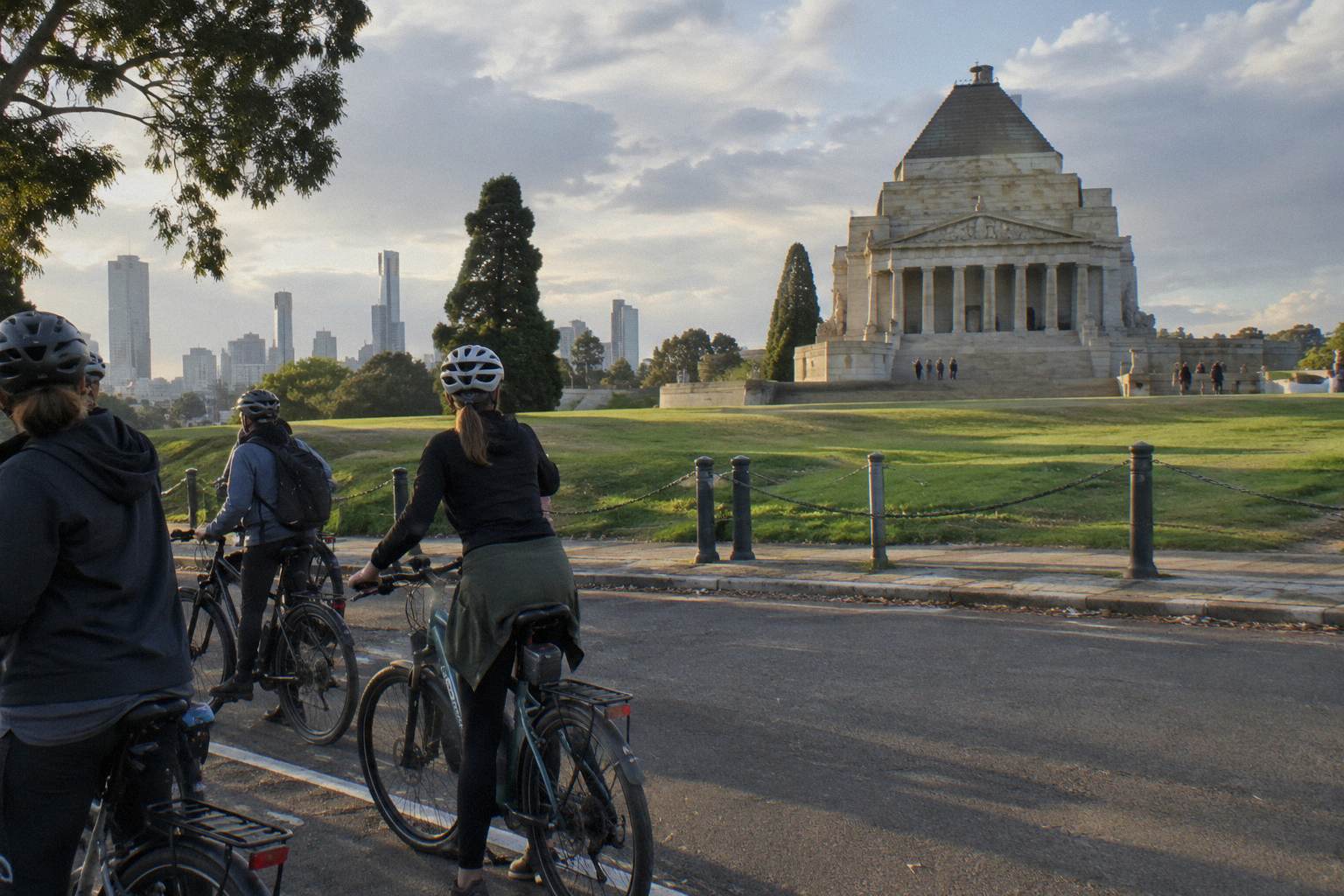
Price is the real difference. At from A$500 per person the private Melbourne e-bike tour is the most expensive guided ride in the city, and the price depends on group size, so the per-person number moves with how many of you there are. What you buy is exclusivity and route control, not a better bike: the machines are the same pedal-assist fleet as the group tour. If the fixed route and the shared group are fine with you, the group ride does nearly the same job for a third of the cost.
Is There An E-Bike Upgrade On A Regular Tour?
This is the option people usually find first, because the Famous tour is a featured city ride, and the upgrade quietly converts it into an e-bike tour. Melbourne By Bike keeps public groups to around 8 to 10 riders, and welcomes children, with solo riding recommended from about 12 and buggies and tagalongs for small children. The lunch stop sits at Queen Victoria Market, closed Mondays and Wednesdays when the tour eats elsewhere. Meeting details come in your booking confirmation, and there is no hotel pickup.
The upgrade makes most sense for mixed groups. If one rider dreads the river climbs or is recovering from an injury, putting them on an e-bike keeps the whole party on the same tour at the same pace, rather than splitting across two different bookings. The base ride is perfectly manageable on a regular bike for most people, so treat the A$40 as insurance against the weakest rider in your group, not as a necessity. You can weigh the two bike types in detail in the e-bike versus regular bike comparison before deciding, and check availability on the live listing if you want to see the upgrade option in the booking flow, alongside the Famous Melbourne City Cycling Tour page here.
What About The Yarra Valley Rail Trail E-Bike Ride?
The Yarra Valley Guided And E-Bike Rail Trail Cycling tour is a six-hour guided ride out of the city, from A$350 per person, on a standard bike with meal, coffee, tea, snacks and lunch included. It runs with groups of up to 8, has a minimum age of 18, starts at Woori Yallock Station, and offers free pickup from Lilydale railway station. A separate product is the Yarra Valley e-bike rail trail alternative: 7 hours, from A$395 per person, on a fat-tyre e-bike, with groups of up to 10.
This is the e-bike option for riders whose goal is countryside rather than laneways, sold as a separate product from the six-hour guided standard-bike ride. Rail trails are former railway corridors converted to cycling paths, which means gentle, consistent gradients and no traffic, ideal territory for pedal-assist bikes and for riders building confidence. It runs 7 hours from A$395 per person. The fat-tyre e-bikes suit gravel and loose surfaces better than city hybrids, and the booking conditions are stricter than the city rides: not for riders under 155 cm or over 130 kg, with groups of up to 10.
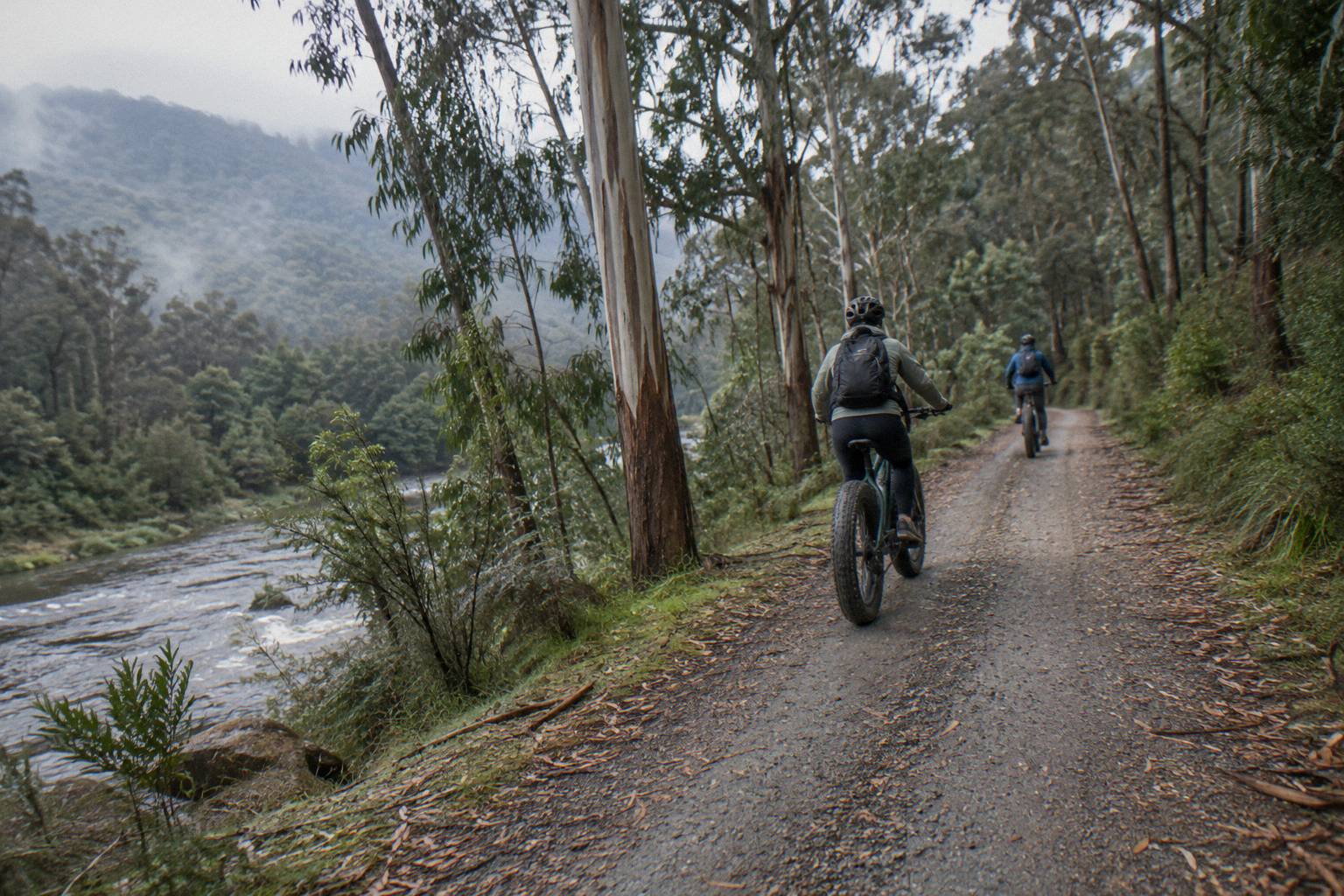
Logistics are simpler than they look. The train from Melbourne reaches Lilydale, where free pickup is offered, and the ride proper starts at Woori Yallock Station. Pickup from local Yarra Valley accommodation is available for A$30 per person extra. Metro trains carry bikes and factory-built e-bikes switched off, so you could also ride the rails out with your own machine, though folding rules are stricter on trams and buses. Planning the wider trip is covered in the Yarra Valley rail trail by e-bike guide, including what to expect from the trail surface and the winery region it passes through.
Compared with the city rides, this is a different day out entirely: six hours, hills, vineyards and a sit-down meal instead of a four-hour lap of landmarks. The Mornington Peninsula Small-Group Bike Tour, from A$120 per person for 2.5 hours, offers a bayside middle ground with e-bikes for riders over 14, though its e-bikes are single-rider machines. Neither is better than the other; they simply answer different questions about what you want from the day.
Where Are E-Bikes Not Allowed In Melbourne?
Albert Park's paths bar power-assisted bicycles above 200 W, which rules out the standard 250 W tour e-bike, and Yarra Bend Park bars motorised bicycles on its management-vehicle tracks and shared-use trails. St Kilda Pier and Breakwater excludes e-bikes on its management-vehicle-only paths, and one riverside linking trail at Yarra Bend is temporarily closed for structural damage.
These restrictions are the fine print that catches out confident riders planning their own loops, and they are why guided routes stick to the corridors they use. The Albert Park rule is the surprising one: a 250 W e-bike, entirely legal on every road in the state, exceeds the park's 200 W path limit, so check with an operator before assuming an Albert Park lap is on any itinerary. Albert Park Lake sits about 3 km from the CBD with a 5 km circuit track, close enough to be tempting and restricted enough to need that check. The Parks Victoria Albert Park page states the power limit directly.
| Place | E-bike restriction | What it means for a ride |
|---|---|---|
| Albert Park | No power-assisted bicycles above 200 W on the paths | The standard 250 W tour e-bike cannot ride the lake circuit; check with an operator first |
| Yarra Bend Park | Motorised bicycles barred on management-vehicle-only tracks and shared-use trails | Ride the road corridors, not the internal tracks |
| Yarra Bend riverside trail | Temporarily closed for structural damage from the Bushland Circuit Trail link | A detour exists; no full riverside loop |
| St Kilda Pier and Breakwater | No motorised vehicles, including e-bikes, on management-vehicle-only paths | Dismount or route around; penguins need a separate booking |
Yarra Bend Park is the other notable case, and it carries two separate cautions. Motorised bicycles are listed as barred on management-vehicle-only tracks and shared-use trails, and the riverside trail linking from the Bushland Circuit Trail is temporarily closed for structural damage, with a detour in place. Any promise of a full uninterrupted riverside loop there would be false, and no tour makes it.
St Kilda Pier adds a final wrinkle worth knowing even though no tour rides it: e-bikes and scooters are barred from the management-vehicle-only paths, the breakwater bans dogs, cats and fishing, and the pier's new little penguin boardwalk opened in October 2025 with two free ticketed viewing sessions nightly, 150 people each, booked through Phillip Island Nature Parks. Penguin viewing is not guaranteed, needs a separate booking, and is run by the nature parks, not by any bike operator. If penguins are the goal, treat the bike ride and the boardwalk as two bookings.
Who Should Choose An E-Bike Tour Over A Regular One?
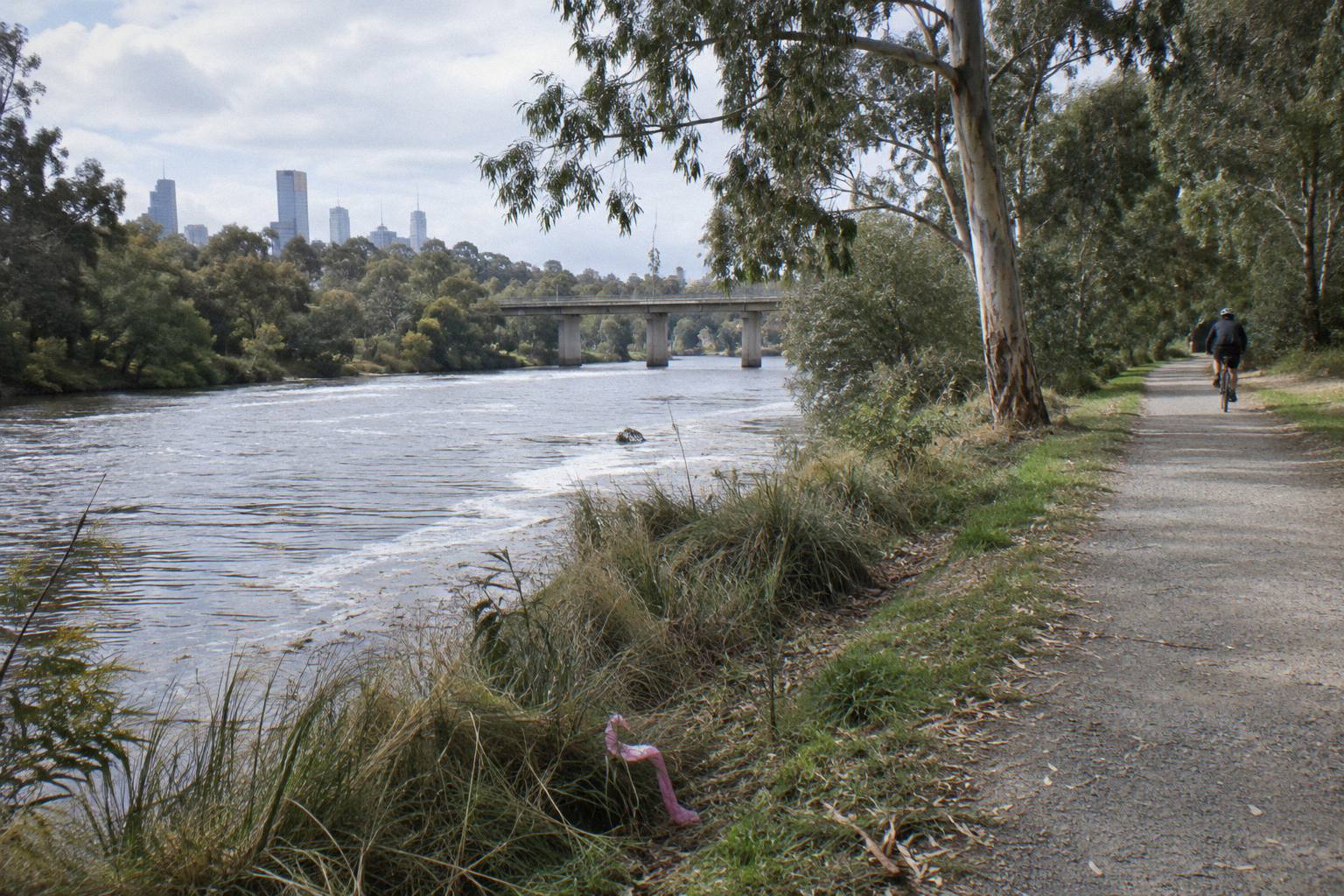
An e-bike tour suits anyone who can ride a bike but not comfortably for four hours, riders past whatever distance their knees approve, mixed groups with uneven fitness, and travellers who want the landmarks without arriving sweaty. A regular guided ride suits confident cyclists who enjoy the effort. Neither type of rider is doing it wrong; the motor decides the effort, the guide decides the experience.
The clearest cases for electric assistance are age, recovery and heat. Melbourne's mean maximum sits at 25.9 °C in January and 13.5 °C in July, and the city averages about 650 mm of rain a year spread across every month, roughly 100 rain days, so summer rides can be warm work on an ordinary bike. For a sense of sensible daily cycling distances by age, the guide to how far older riders should cycle in a day is useful reading, and the pedal-assist case largely answers itself after that.
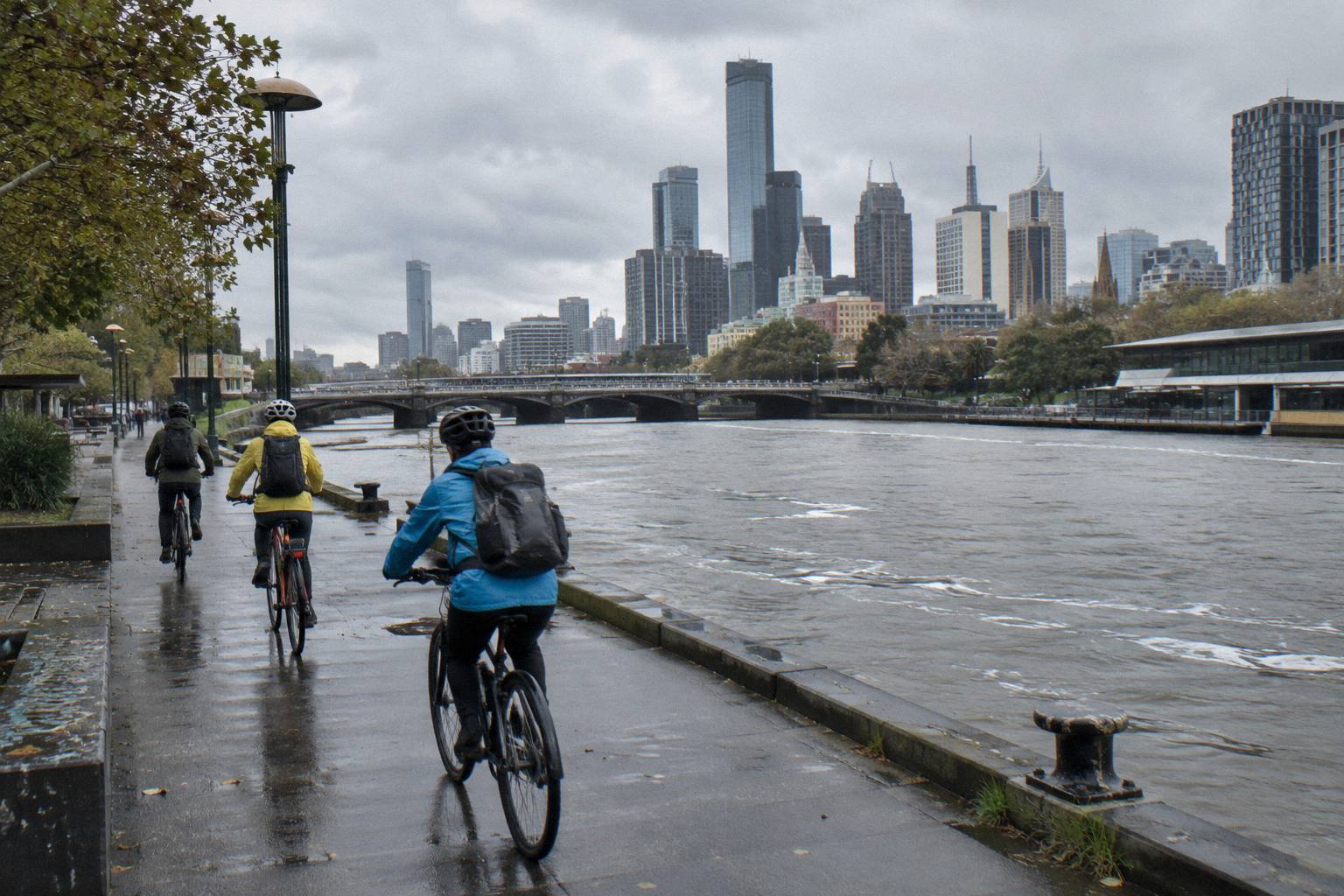
Groups are where the choice pays off most. A couple where one rides weekly and the other has not touched a bike since school can share a single tour if the less confident rider takes the e-bike, and the same logic applies to the Famous tour's A$40 upgrade. Solo travellers who enjoy cycling for its own sake will find the group regular rides from Batman Park and Federation Square more satisfying. First-timers to guided rides generally can read what to expect before committing either way, and the practical clothing question is covered in what to wear on a bike ride.
One limitation to carry into any booking: battery life, range, charge time and bike weight are not published for any Melbourne tour e-bike, so check these details on the booking page before you go. Operators maintain their fleets daily, and a four-hour tour is well within any modern pedal-assist battery's comfort zone, but if you are planning back-to-back days or have range anxiety, ask the operator before booking rather than after. The answer you get will be more useful than any guess.
Electric Bike Rides Around Melbourne: The Short Version
For most visitors the Melbourne E-Bike Tour With Local Guide is the complete answer: about 16 km over four hours, from A$139 per person, rated 4.9 from 300+ reviews, hitting the river, Shrine, MCG, Fitzroy, Chinatown and Hosier Lane with a lunch stop. Families and groups wanting their own route take the private version; countryside riders take the Yarra Valley rail trail.
The through-line of everything above is that the motor is the smallest part of the decision. Every option here uses the same legal 250 W pedal-assist machine, every one supplies a helmet, and every one carries free cancellation up to 24 hours before on the booking page. What you are actually choosing is the route and the company: a fixed city loop with up to 10 strangers, a private ride built around your group, an upgraded seat on the Famous tour, or six hours of rail trail through the Yarra Valley with a meal included. For the full spread of Melbourne's guided rides, start with Melbourne Bike Tours and work outward from there.
Common E-Bike Mistakes In Melbourne
The most common mistakes are assuming a throttle does the work, expecting the motor above 25 km/h, riding where e-bikes are barred, and forgetting the helmet law still applies. Legal e-bikes assist only while you pedal and stop at 25 km/h, motorised bikes above the limits are restricted to private property, and helmets are mandatory for every rider.
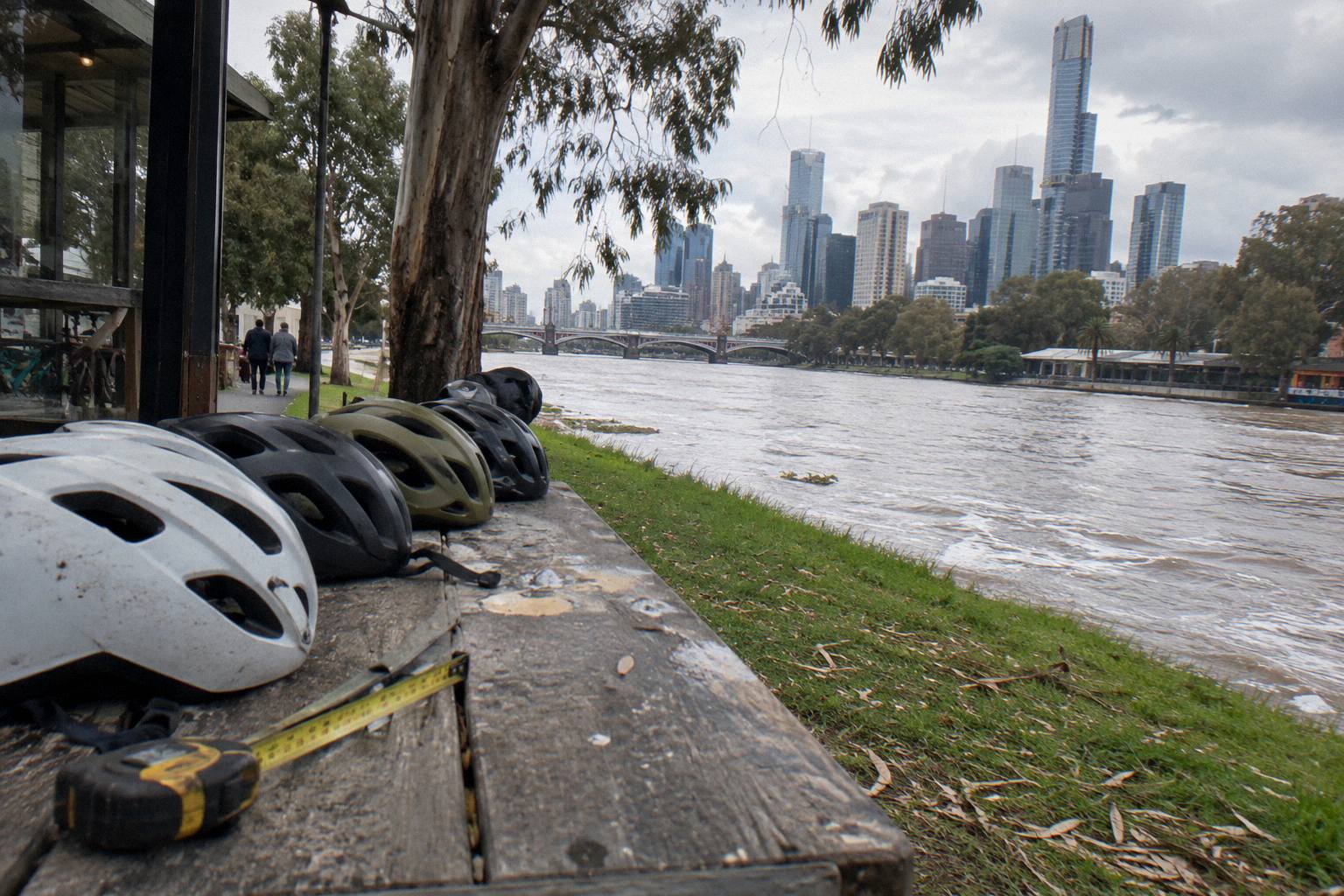
- Waiting for the throttle: Victorian rules allow a throttle only up to 6 km/h in walk mode. Anything faster than walking pace comes from your legs with the motor adding to them, so do not expect scooter-style riding.
- Expecting more than 25 km/h: Assist cuts out at that point. A rider can exceed it by pedalling alone, but the bike itself gives nothing beyond the limit, and no tour machine is faster.
- Riding restricted paths: Albert Park bars power-assisted bicycles above 200 W, and parks including Yarra Bend and St Kilda Pier restrict motorised bicycles on certain tracks. Check where your route actually goes before assuming access.
- Dropping the helmet habit: An e-bike is still a bicycle under the law, so the mandatory helmet rule applies, with fines for riders without an approved-standard helmet.
- Assuming battery facts: Battery range and charge times are not published for any Melbourne tour e-bike. If a full battery matters to your plan, ask the operator directly instead of assuming it will last.
Common Questions About Electric Bike Rides Around Melbourne
How Fast Do Tour E-Bikes In Melbourne Go?
The motor assists only while you pedal and cuts off at 25 km/h, the Victorian legal limit for a 250 W pedal-assist bike. You can travel faster than that by pedalling harder, exactly as on an ordinary bicycle, but the motor contributes nothing above the cutoff.
Do I Still Have To Pedal On An Electric Bike Tour?
Yes. These are pedal-assist bikes, not scooters, and the motor helps only while your legs are moving. A throttle exists only up to 6 km/h in walk mode. Most riders describe the feeling as a tailwind that never stops rather than a free ride.
Is A Helmet Included On E-Bike Tours?
Helmets are normally supplied, and most listings include one. Helmets are mandatory for every rider in Victoria, e-bike riders included, and the helmet must carry an approved-standard label such as AS/NZS 2063 or EN 1078. No tour promises a specific helmet type.
Can Children Join An E-Bike Tour In Melbourne?
It depends on the tour. On the Melbourne E-Bike Tour With Local Guide, anyone under 18 rides with an adult, and riders need to be about 150 cm or taller. The Private Melbourne E-Bike Tour lists a minimum age of 12, and the Yarra Valley rail trail ride lists 18.
Are E-Bikes Allowed In Melbourne's Parks?
Only some. Albert Park's paths bar power-assisted bicycles above 200 W, which excludes the standard 250 W tour e-bike, and Yarra Bend Park bars motorised bicycles on its management-vehicle tracks and shared-use trails. St Kilda Pier also excludes e-bikes from its management-vehicle-only paths.
Can I Take An E-Bike On Public Transport In Melbourne?
Metro trains carry bikes and factory-built e-bikes that are switched off, not ridden or charged. Trams and buses take only folding bikes and folding e-bikes within size limits. Converted e-bikes are banned from trains and ticketed areas entirely.